90-Second Read: Hantavirus is not easily spread, but is global heating upping our exposure?
Editorial voice
Sofia Ramirez
Published
Published May 10, 2026
Argentina is used to dealing with Hantavirus," said Dr Roberto Debbag, an infectious disease specialist and vice-president of the Latin American Society of Vaccinology, noting that the country made reporting Hantavirus infections mandatory after the 1996 cases. Global climate change is altering everything, and that could also lead to Hantavirus cases emerging in places where they had not previously occurred. Nevertheless, the WHO has said the risk of Hantavirus to the general population is "absolutely low", noting that person-to-person transmission does not occur easily. These cases are being recalled after three people died from the virus on the Dutch cruise ship MV Hondius that departed from Argentina bound for Cape Verde. Tests on passengers who survived also confirmed they were infected with the Andes strain, the only strain in which.
The vast majority of up to 100,000 annual Hantavirus cases occur in Asia and Europe, but the key difference lies in the severity caused by different strains: while in those regions the fatality rate is up to 15%, in the Americas it can reach 50%. The ministry has reiterated that it is "not confirmed that the infection occurred in Argentina" and notes that in the province from which the ship departed, Tierra del Fuego, there has not been a confirmed case of Hantavirus in the past 30 years. For Ittig, Milei's decision to leave the WHO is yet another facet of the problems caused by the libertarian's "chainsaw" policy of deep spending cuts in science, education and healthcare, which could affect efforts to combat Hantavirus. Nearly a decade ago another.
Even with the rise, Argentina remains within its historical annual average of about 100 cases – far below, for example, China and the Republic of Korea, where there are thousands of cases annually according to the WHO. Even though it is far from leading global case numbers, Argentina still has the highest total in Latin America, which scientists attribute to the climate crisis and ecological imbalances such as the loss of natural predators. To determine where contamination on the MV Hondius may have occurred, Argentina's health ministry plans to capture rodents for analysis along the route taken by the Dutch couple who first developed symptoms. The experience and knowledge to tackle the Hantavirus exist, and Argentina has them. On Thursday, the WHO director general, Tedros Adhanom Ghebreyesus, said Argentina should.
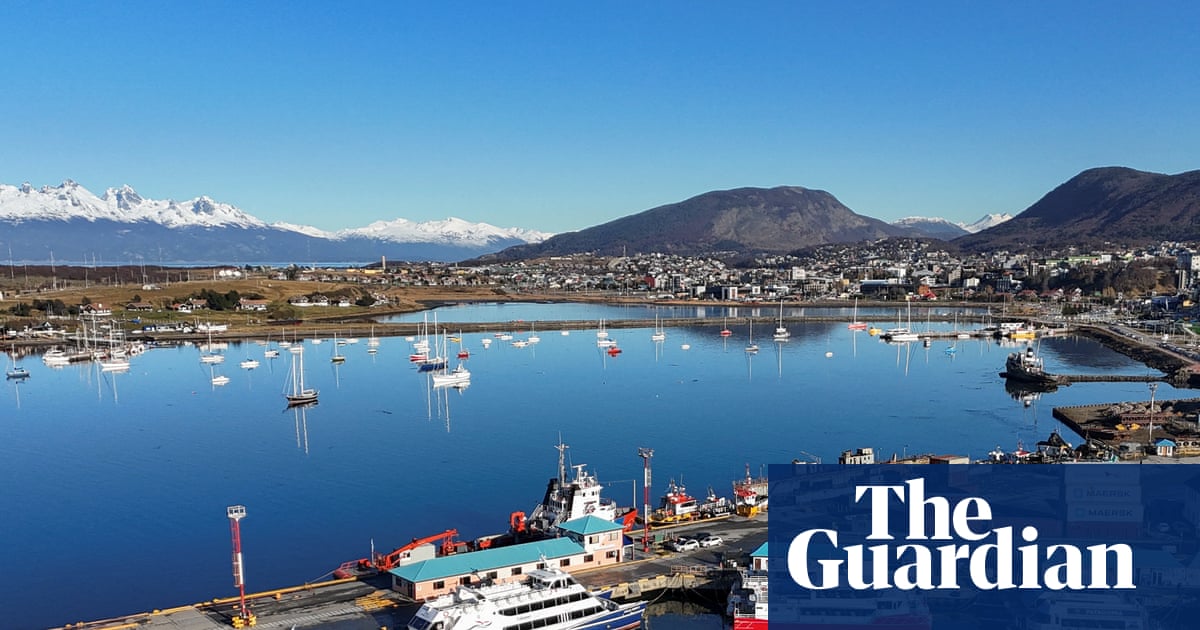
They had been in the country since 27 November, making multiple car journeys, including trips to Chile and Uruguay, before boarding the ship on 1 April from the port of Ushuaia. The problem is that investment is needed – and that is not what is happening now. Addressing the US and Argentina, Ghebreyesus said "viruses don't care about our politics and they don't care about our borders" and that "solidarity is our best immunity".
Source reference
Original reporting
Based on reporting from The Guardian. Read the original source for full details.
Source published May 10, 12:00 AM EDT. Hantavirus Now reviewed reporting from The Guardian and summarized the key points below.
Read original article