90-Second Read: What’s the risk of Hantavirus in King County?
Editorial voice
Elena Park
Published
Published May 9, 2026
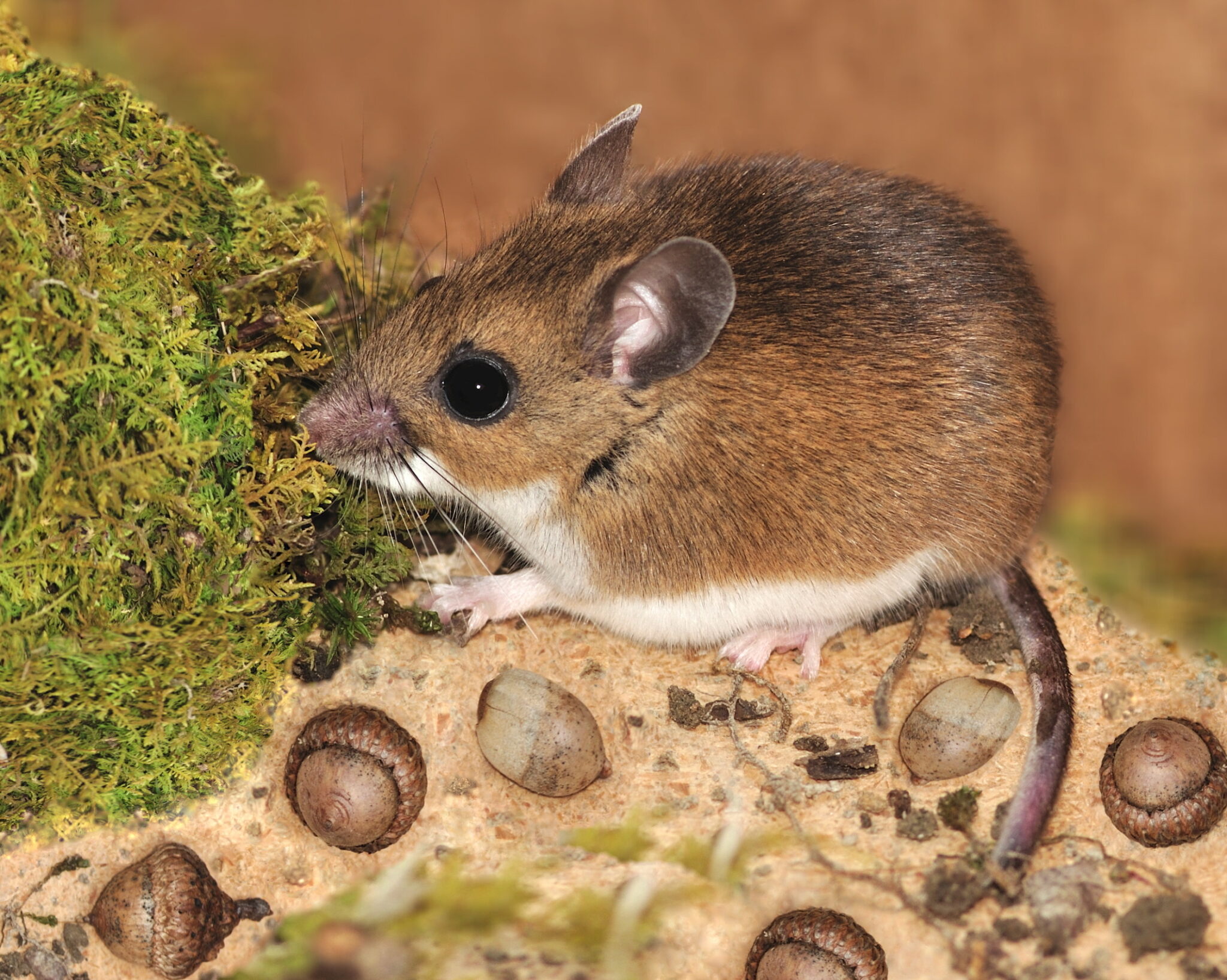
King County health experts say Hantavirus cases are rare locally, but deer mice can carry the virus in homes, sheds, cabins, and garages. Dear Mice (Image courtesy Yale School of Public Health) Health What's the risk of Hantavirus in King County? What parents need to know By Public Health Insider / Public Health — Seattle and King County The outbreak of Hantavirus on an international cruise ship has put this rare disease in the headlines. WHO is leading the investigation of that situation involving a specific type of Hantavirus that has not been found in the United States. We wanted to learn more about whether Hantavirus poses a risk to people in King County, so we checked in with Dr.
Andes Hantavirus is the type that was found in the cruise ship outbreak. Even though the Hantavirus found on the cruise ship was identified as Andes Hantavirus, the only type with the potential for person-to-person spread, it is not easily transmitted between people. In my reading of the situation, Andes Hantavirus is a very low risk for people in King County or for people who have travel planned. In contrast, we have more information about Hantavirus from studies done since the 1990s. WHO is leading a massive contact tracing effort, which has been a key intervention in containing spread in previous outbreaks of this Hantavirus.
Hantavirus is a rare but potentially deadly disease that affects the lungs. There are many types of Hantavirus around the world, but the Andes Hantavirus is the only one known to spread person-to-person, and only if there is prolonged close contact with someone who is ill. It's rare, but we do have deer mice that can carry a different type of Hantavirus (Sin Nombre) that does not spread person-to-person. Hantavirus spreads when dust that contains the virus is stirred up into the air, such as when people sweep or vacuum in rodent-infested areas. Jocelyn Mullins, a public health veterinarian and resident expert at Public Health – Seattle & King County on diseases coming from animals.
In Washington state, Hantavirus is carried only by deer mice. It's possible to get infected with Hantavirus by breathing in dust containing the virus from rodent droppings, urine, saliva, or nesting materials. It primarily spreads from contact with wild rodents, especially when people are exposed to their urine, droppings, and saliva. When COVID-19 emerged, it was a novel virus, one that hadn't been seen before, so there was so much unknown about it. The chance of being exposed to Hantavirus is greatest when people are in closed spaces where rodents are actively living.
Source reference
Original reporting
Based on reporting from Seattle's Child. Read the original source for full details.
Source published May 9, 4:37 PM EDT. Hantavirus Now reviewed reporting from Seattle's Child and summarized the key points below.
Read original article